Chikungunya isn't a household name in the UK, but it's becoming a much more common travel souvenir. In 2025, 160 cases were reported in travellers returning to England, Wales and Northern Ireland, up from 45 in 2023. If you're heading to South Asia, the Indian Ocean, the Caribbean or Latin America, it's worth knowing about.
What is chikungunya?
Chikungunya is a viral infection spread by mosquito bites. The name comes from the Makonde language of Tanzania and describes the way people become bent over by the joint pain it causes. That pain is the main thing that sets it apart from other mosquito-borne illnesses.
How do you catch it?
It's spread by the same Aedes mosquitoes that carry dengue and Zika. Unlike malaria mosquitoes, these bite during the day, especially mid-morning and from late afternoon until dusk. They live close to people, breed in standing water around homes, and are just as happy biting indoors as outdoors. So you're not safe just because you're in a city or a hotel. Outbreaks tend to happen in the rainy season.
Symptoms
Symptoms usually start 4 to 8 days after the bite and come on suddenly:
- High fever
- Severe joint pain, often in the ankles, wrists and hands
- Muscle pain and headache
- A skin rash
- Sensitivity to light
Most people feel better within 1 to 2 weeks. The joint pain is the difficult part: it can last for months, and up to 12% of people still have joint pain three years later. Serious complications are rare, but young babies, older adults and people with long-term health conditions are most at risk of severe illness.
There's no specific medicine that cures chikungunya. Treatment is rest, fluids and relief for pain and fever. If you develop a fever during or after a trip, see a doctor the same day and tell them where you've been. The symptoms can look like dengue or malaria, which need to be ruled out quickly.
Where is the risk?
Big outbreaks in recent years have hit India, the Indian Ocean islands, the Pacific islands, the Caribbean, and Central and South America. Of the UK cases in 2025, the most common places people had travelled were Sri Lanka, India, Bangladesh and Mauritius. There's also been a rise in Thailand, where cases roughly doubled in 2025, and in Pakistan, which reported over 1,000 suspected cases in 2025.
It's not only a long-haul problem. Small outbreaks have happened in France and Italy, and the risk of it spreading around the Mediterranean is thought to be high.
How to protect yourself
Avoiding bites is the most important thing, whether or not you're vaccinated:
- Use an insect repellent containing DEET, and reapply it through the day, especially after swimming.
- Put sun cream on first and repellent on top.
- Cover up with loose, long sleeves and trousers, particularly in the morning and late afternoon.
- Choose accommodation with air conditioning or screens on the windows.
- If you're staying somewhere for a while, empty anything that collects standing water around the house.
Is there a chikungunya vaccine?
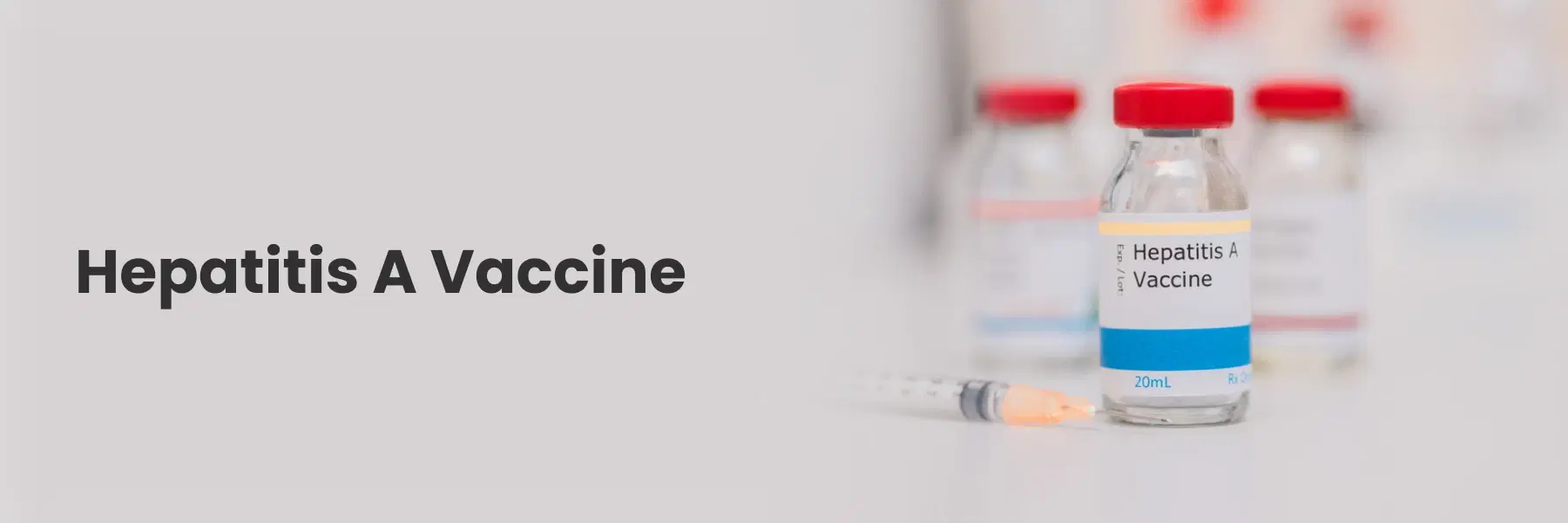
Yes. One chikungunya vaccine is currently licensed in the UK. It's a single injection for people aged 12 and over, and so far there's no evidence that you need a booster. The UK's vaccine experts (the JCVI) haven't found any safety concerns with it.
It isn't routinely recommended for every traveller. It may be considered if you're:
- travelling to an area with a current outbreak
- a long-term or frequent traveller to places that have had chikungunya in the last five years
- working in a lab with the virus
You may have read about safety problems with a chikungunya vaccine in older people. That was a different, live vaccine. Its use was restricted after serious reactions were reported, and its UK licence was withdrawn in October 2026. It's no longer available in the UK.
Should you get it?
It depends on where you're going, when, for how long, and your health. That's exactly what a travel consultation is for. We'll check the latest outbreak reports for your destination, go through your other jabs and malaria risk at the same time, and tell you whether the chikungunya vaccine is worth it for your trip.
We offer the chikungunya vaccine at our East Barnet clinic for £165, as a single dose for anyone aged 12 and over, after a consultation with our pharmacist. See all our prices on the price list.
Travelling soon? Book a travel consultation at Barnet Travel Clinic on East Barnet Road, or call us on 020 8449 0909. We often have same-day appointments.
Based on UK travel health guidance from TravelHealthPro (NaTHNaC), last updated 14 October 2026. This article is general information and not a substitute for a personal consultation.